Domino culture
The Dominican Domino Table
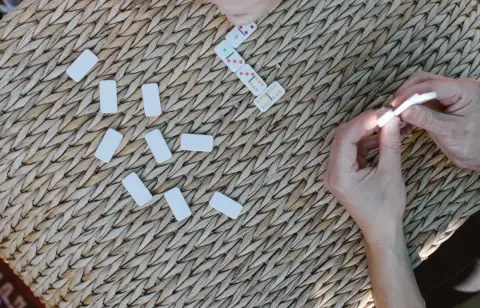
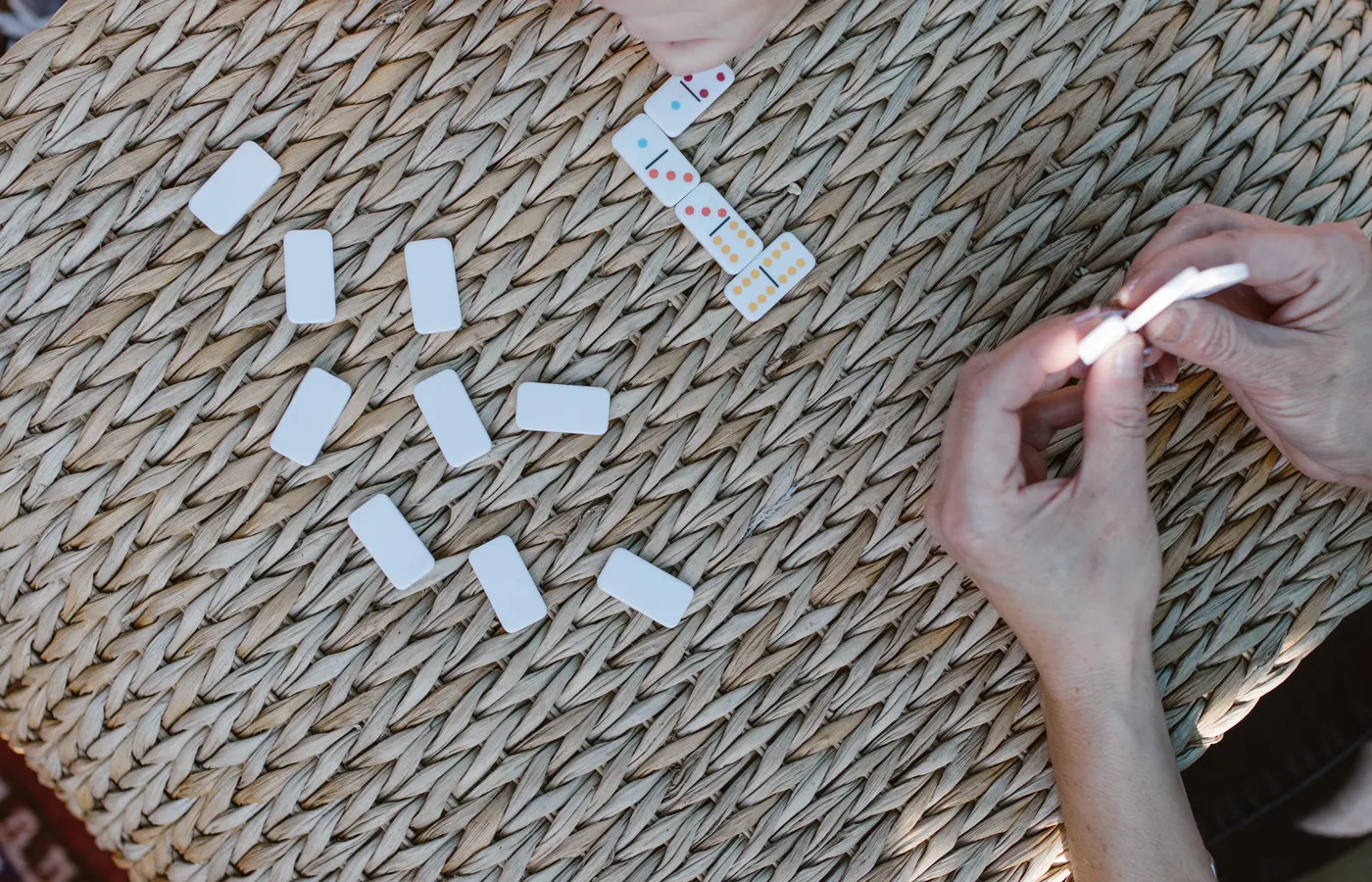
A table at the corner, under a mango tree or in front of the colmado. Here is where the Dominican game is played, who plays it and the words you hear around it.
4 min read
Published October 15, 2026
Quick answer
Where do Dominicans play domino?
At the corner, under a mango tree, in front of the colmado, El Día writes. A 2026 El Inmobiliario feature adds galleries, sidewalks, clubs and parks. El Día calls the game the country's unofficial national pastime.
Jump to a section
El Día calls domino the Dominican Republic's "pasatiempo nacional no oficial", its unofficial national pastime. This page is about the table itself: where it stands, who sits at it and how it sounds.
01.
Where the table stands
El Día's 2025 piece on Dominican Sundays puts the table at the corner, under a mango tree, in front of the colmado. Solangel Valdez, in a 2026 El Inmobiliario feature, lists galleries, sidewalks, colmados, clubs and parks.
Valdez also writes that the dry knock of a tile on the table opens the evening: "El golpe seco de una ficha contra la mesa abre el atardecer." Columnist Aníbal de Castro, in Diario Libre, says that dry knock always brings a short pause.
02.
Who sits down
A 2024 feature in Meer by Pablo Martínez-Sistac Barreto describes Friday around 5:30 p.m. at the colmado, with people of every class at one table. It is one writer's account.
Valdez notes that there is always someone waiting a turn and looking for a frente, a partner to sit across from. Aníbal de Castro adds that the onlookers, "el coro", are almost never missing.
03.
Bets and pintintín
In many tables people bet. Linguist Roberto Guzmán mentions it in Acento, Valdez mentions it in El Inmobiliario, and a Colonial Zone expat guide says the stakes are pesos or drinks. Meer's feature adds that bets can start arguments.
Valdez also quotes a player on pintintín: each player alone, often for money, and in his telling it causes fights. FichaFlow plays the partnership game, two against two, with partners facing each other.
04.
How the table talks
Valdez collects the lines you hear: "Tíralo, si te atreves" and "Yo te tengo leído". She calls the game "una conversación cifrada", a coded conversation.
She also lists words of the table, from one feature, so other tables may use them differently:
—
Leer la mesa.
—
Cargar.
—
Amarrao: a player who plays too carefully.
—
Acostarse: following the rhythm of the game.
05.
Tile nicknames
Aníbal de Castro's Diario Libre column gives a set of nicknames: the double six is the "ficha de autoridad", the double blank "la cajita" or "el muerto", the 5-5 "la estrella", and he also mentions "el patito" and "el ojito". They come from one column, so your table may use other names.
06.
"Dominican chess"
Two first-person essays, one in Remezcla (2012) and one in The Uptown Collective (2019), call dominoes "Dominican chess". They describe partners sending signals with every tile and banter used as a ruse. That is the writers' view, not a rule.
Bring this to the table
→
El Día calls domino the "pasatiempo nacional no oficial" of the Dominican Republic: its unofficial national pastime.
→
Tables stand at corners, under mango trees, in front of colmados, in galleries, on sidewalks, in clubs and in parks.
→
In many tables people bet, and some play pintintín, every player for himself, according to the press features and columns cited here.
→
The table has its own talk: "Tíralo, si te atreves", "Yo te tengo leído", leer la mesa, cargar, amarrao, acostarse.
Questions from the table
What does El Día call domino in the Dominican Republic?
The "pasatiempo nacional no oficial", the unofficial national pastime, played at the corner, under a mango tree and in front of the colmado.
What is pintintín?
A player quoted in El Inmobiliario describes it as a game where each player plays alone, often for money, and says it causes fights.
What does "Yo te tengo leído" mean at the table?
Literally, "I've got you read." Solangel Valdez collected it in El Inmobiliario as table talk, next to "Tíralo, si te atreves" ("Play it, if you dare").
Why do people call dominoes "Dominican chess"?
Two essays use the phrase, describing partners who signal with every tile and banter as a ruse. It is a view, not an official name.
Where this comes from
Want to check the details? These are the references we used.
- Así se viven los domingos a lo dominicano (Saylin Rosario)
El Día · Accessed October 15, 2026
Calls domino the pasatiempo nacional no oficial and places the table at the corner, under a mango tree, at the colmado.
- La tradición del dominó: Porque aquí no se pasa con fichas (Solangel Valdez)
El Inmobiliario · Accessed October 15, 2026
Places, the golpe seco line, waiting for a frente, bets, pintintín, table talk and the vocabulary list.
- Dominican domino culture: uniting Santo Domingo (Pablo Martínez-Sistac Barreto)
Meer · Accessed October 15, 2026
One feature's account of Friday around 5:30 p.m. at the colmado, all classes at one table, and bets that start arguments.
- La república de las fichas (Aníbal de Castro)
Diario Libre · Accessed October 15, 2026
Column on the pause after the golpe seco, el coro of onlookers, and tile nicknames such as ficha de autoridad.
- Dominó (Roberto Guzmán, De palabra en palabra)
Acento · Accessed October 15, 2026
The linguist's column, cited here for betting at the domino table.
- Dominoes
Colonial Zone DR · Accessed October 15, 2026
Expat guide, cited only for bets of pesos or drinks at the table.
- Dominoes = Dominican Chess (Juliana)
Remezcla · Accessed October 15, 2026
First-person essay calling dominoes Dominican chess, with signals in every tile.
- Dominoes = Dominican Chess (Led Black)
The Uptown Collective · Accessed October 15, 2026
Second essay on Dominican chess, with banter used as a ruse at the table.